
Doll Clothes Superstore · Buying guides
Stuffed Animal Clothes Size & Buying Guide
How to choose clothing for teddy bears, plush dogs and other stuffed animal friends.
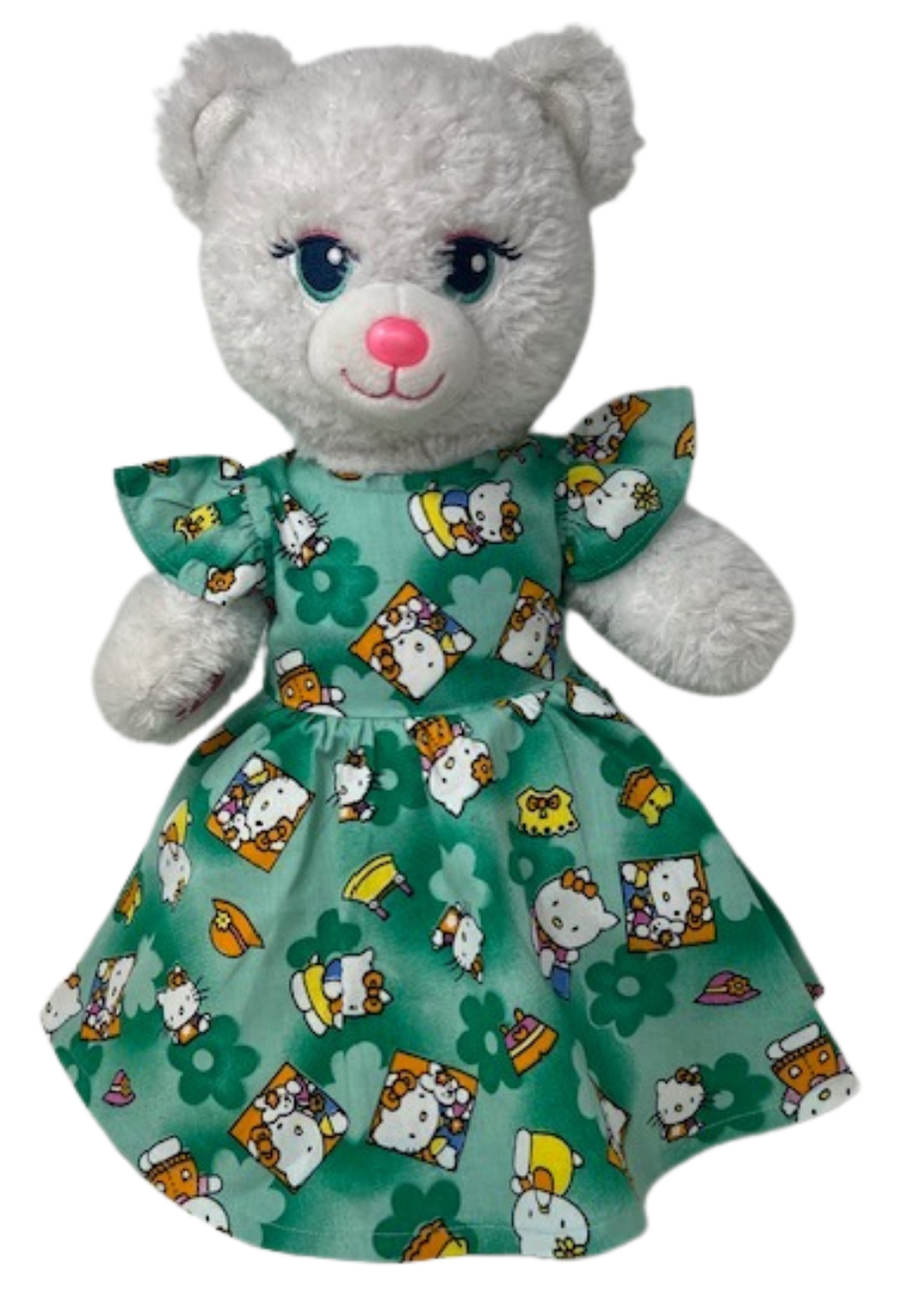
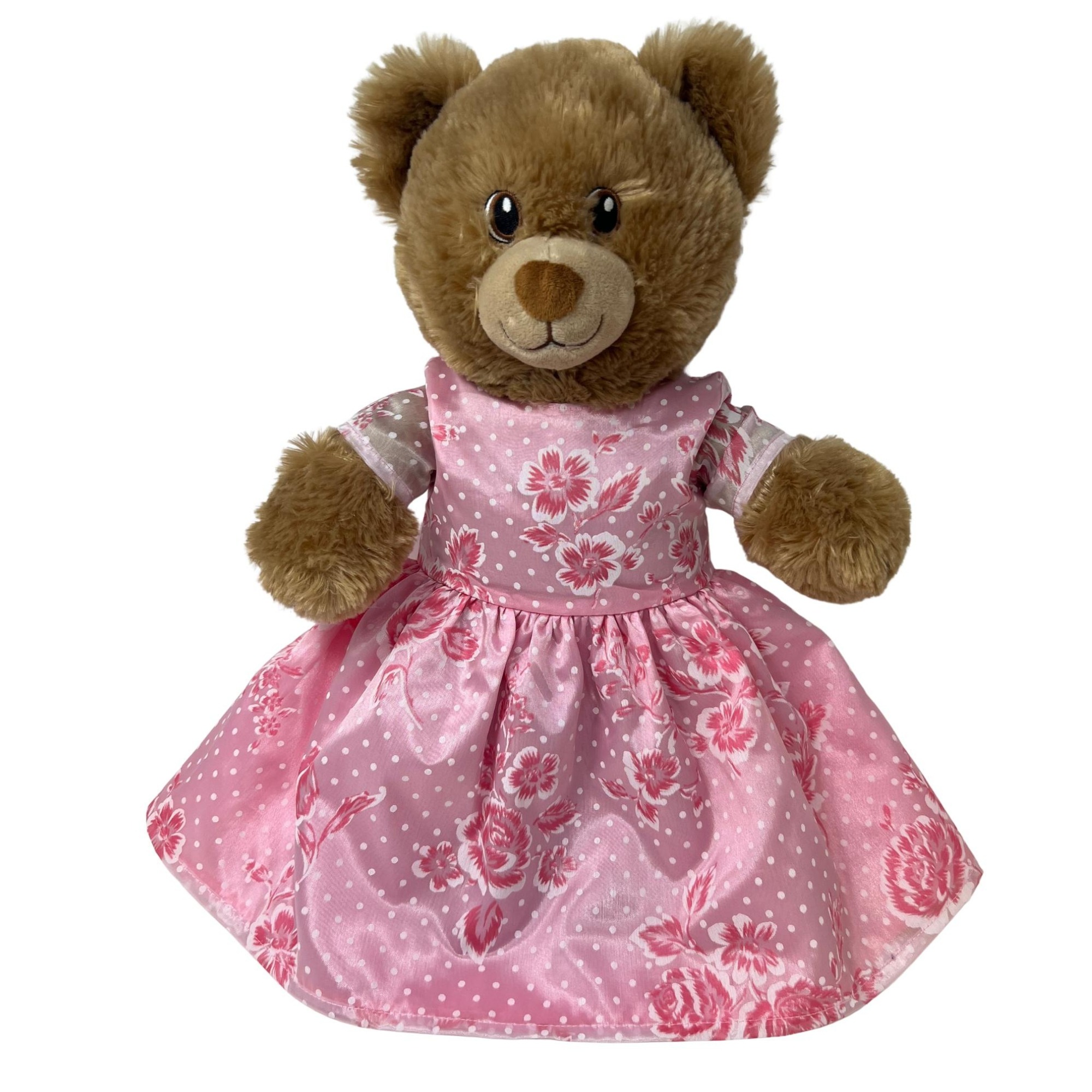
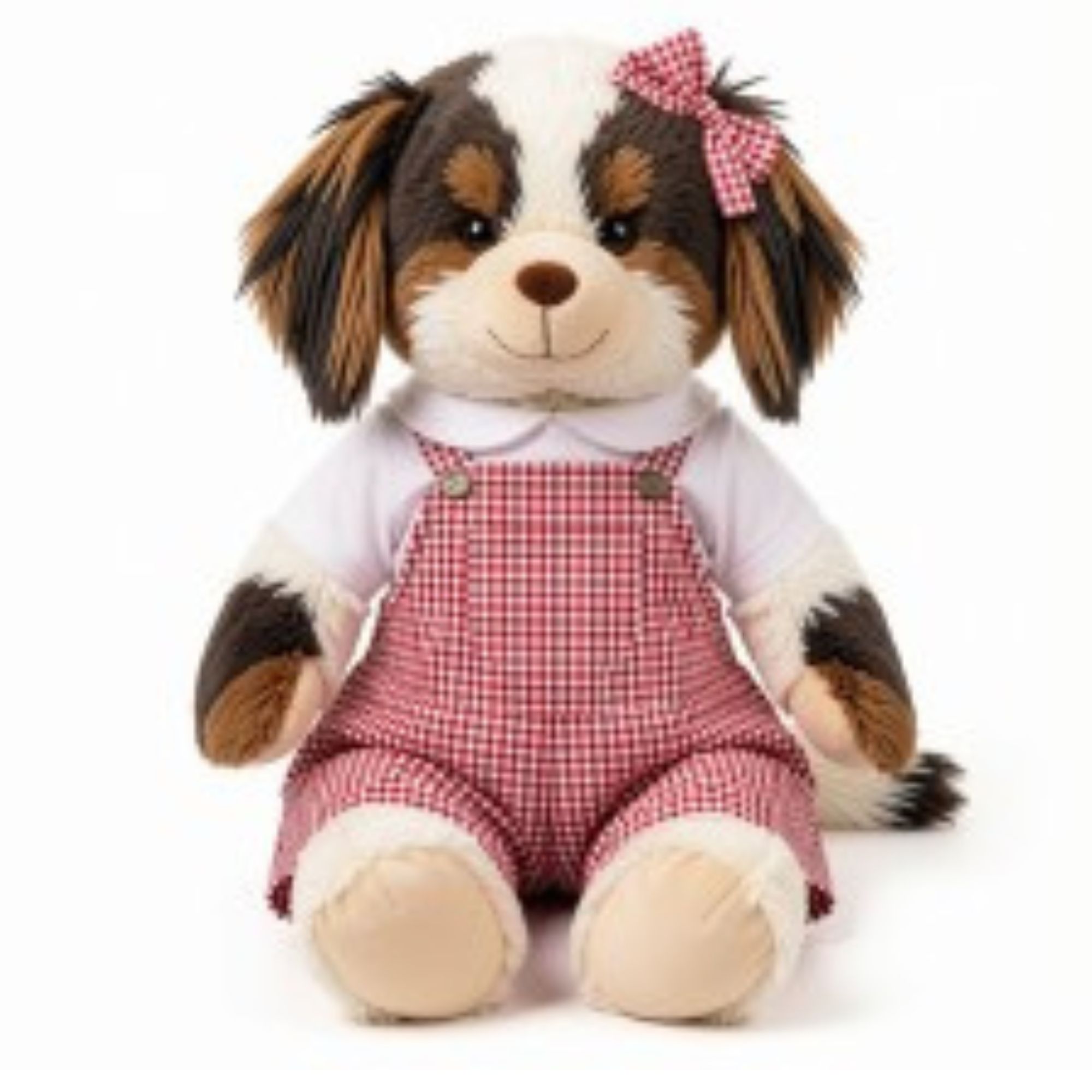
THE MOST IMPORTANT RULE: MEASURE THE BODY - PLUSH ANIMALS VARY GREATLY IN SHAPE
Height alone does not determine clothing size. A 16-inch bear, dog and other plush animal can have very different neck, chest, waist, arm and leg proportions. Use our size categories as a starting point, then compare your stuffed animal with the product fit notes.
Quick Stuffed Animal Size Guide
| Stuffed Animal Group | Good Starting Point | What to Check |
|---|---|---|
| Small stuffed animals | Small Stuffed Animal Clothes | Chest, neck opening and arm placement |
| About 15-16 inches | Build-A-Bear-size and similar plush animals | Chest/waist circumference and torso length |
| Large stuffed animals | Large Stuffed Animal Clothes | Body width, torso length and limb size |
| Plush dogs & other shapes | Use the closest body-size category | Neck, chest, leg position and tail opening |
| Character-shaped plush | Check individual product fit notes | Unusual ears, heads, bodies or limbs may change fit |
Helpful reference: our Build-A-Bear-size bear is about 16 inches tall with an approximately 16-inch waist; our 13-inch plush dog reference has an approximately 15-inch waist.
Build-A-Bear-Size & 15-16 Inch Stuffed Animals
A popular medium stuffed-animal size
Many of our stuffed animal outfits are designed for teddy bears and plush animals in this general size range.
- Use height only as your first clue - body circumference is more important.
- A fuller bear may need more room through the chest and waist than a slimmer plush of the same height.
- Dresses and open-back styles are often more forgiving; fitted tops, pants and overalls need closer measurements.
Small Stuffed Animals
For smaller bears and plush friends
Small stuffed animals need clothing scaled not only for shorter height, but also for narrower necks, chests and arm openings.
- Measure around the fullest part of the body before choosing a size.
- Check where the arms or front legs attach to the body.
- For animals with large heads, make sure the garment opens wide enough to dress easily.
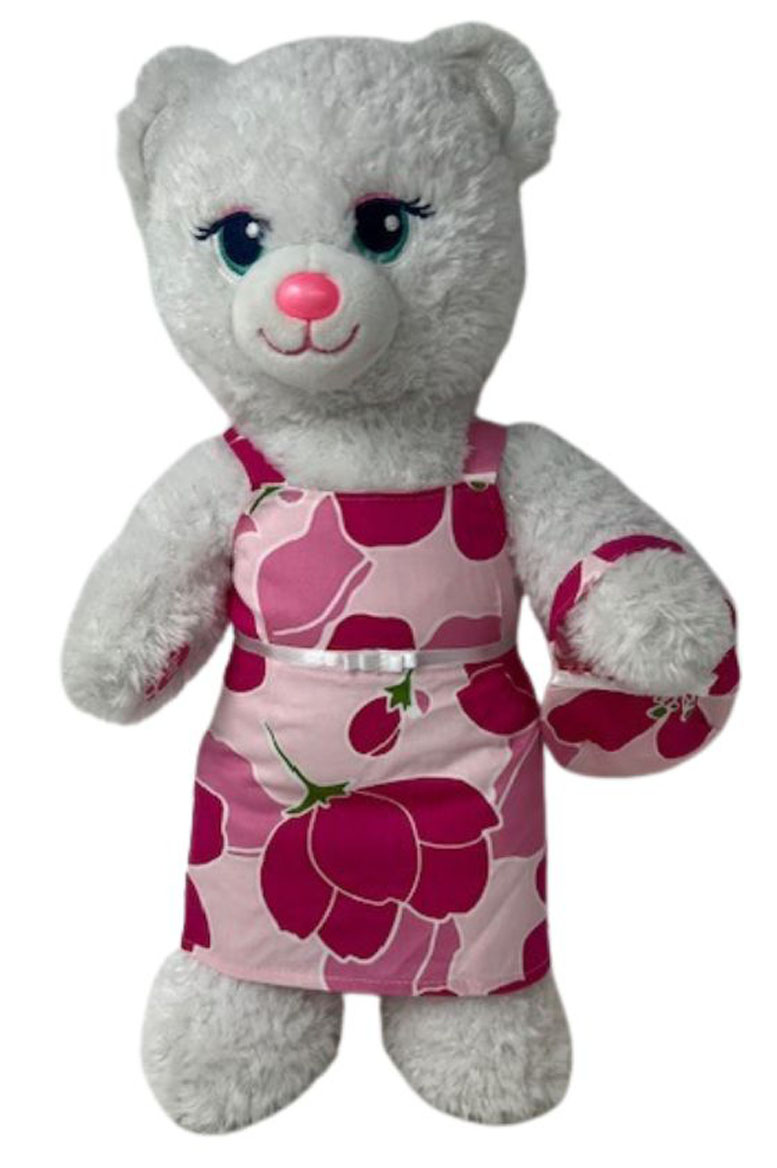
Large Stuffed Animals
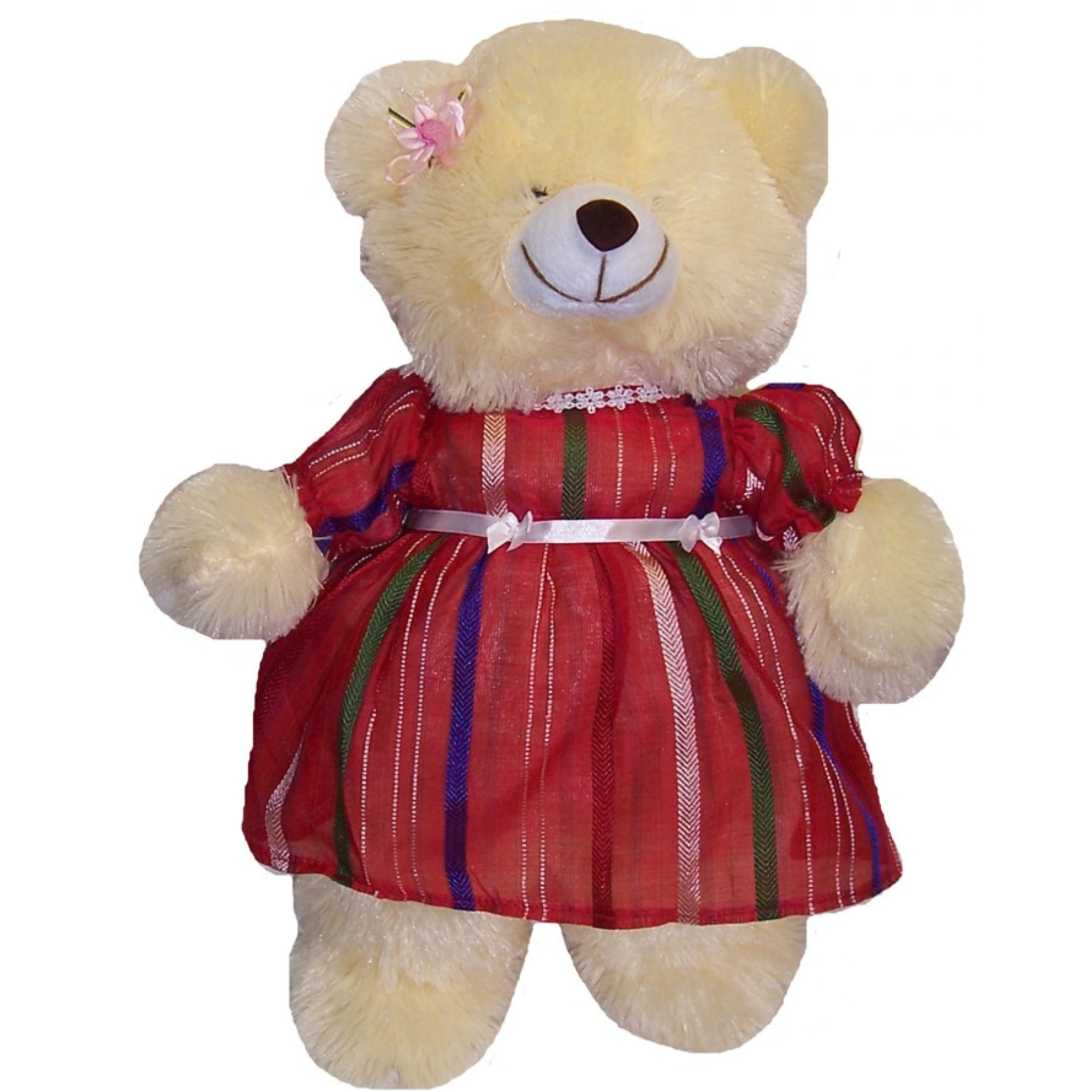
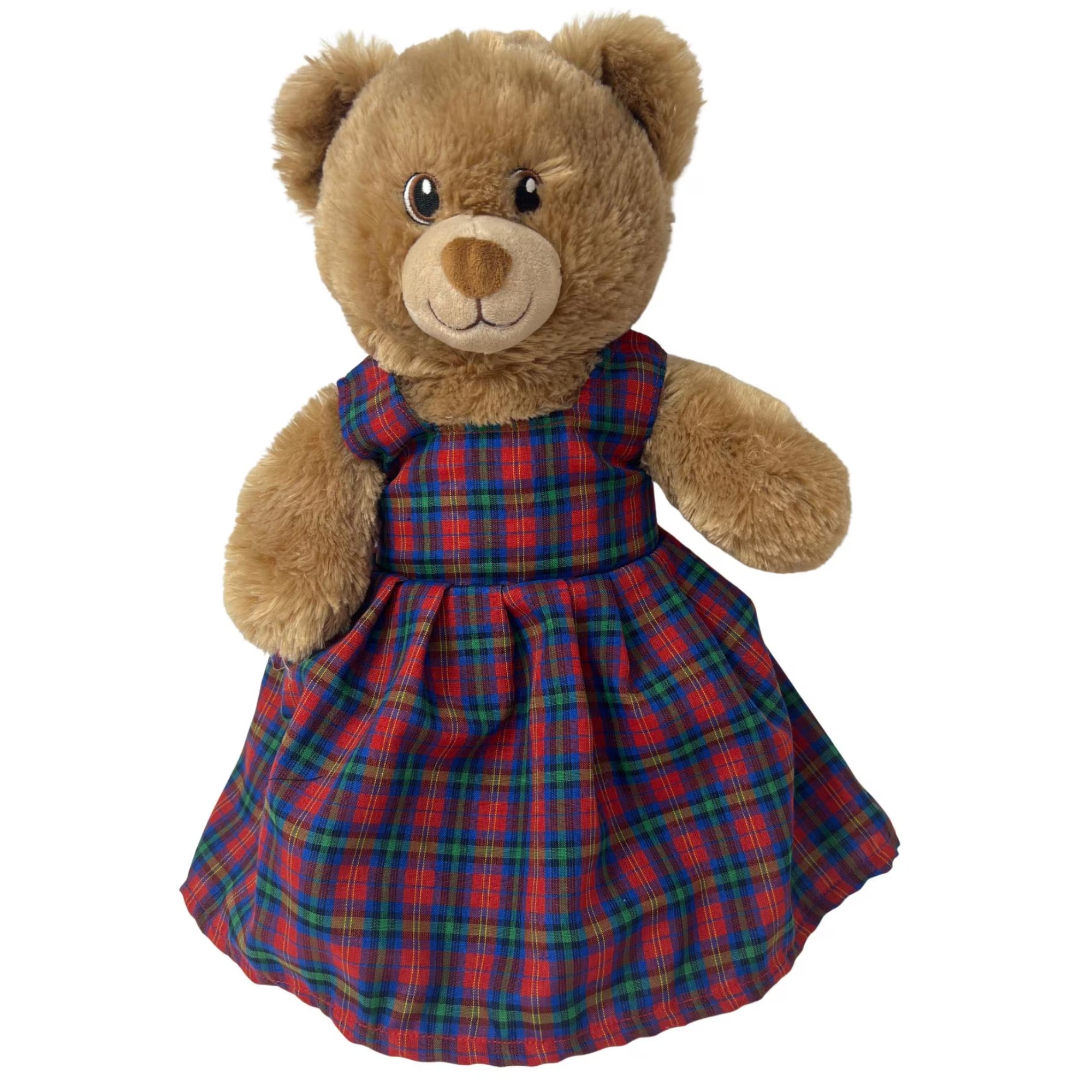
Large plush animals often need more than a longer garment. Their chests, waists, shoulders and limbs can be much wider, so choose clothing specifically made for larger stuffed animals whenever possible.
- Measure chest or waist circumference at the fullest part of the body.
- Check shoulder-to-waist or neck-to-waist length for dresses and tops.
- For pants or overalls, compare waist, rise and leg placement.
- A plush dog may fit differently from a bear even when their overall height is similar.
How to Measure a Stuffed Animal
1 HEIGHT
Top of head to bottom of foot
2 NECK
Around the base of the neck
3 CHEST / WAIST
Around the fullest body area
4 TORSO
Neck or shoulder to waist
5 ARM / LEG
Length and circumference if fitted
6 BODY SHAPE
Note tail, large head, ears or unusual limbs
Use a soft sewing tape and measure around the plush without squeezing the stuffing.
Fit Tips Before You Buy
Start with the closest size category.
Then use the product description and measurements to confirm the fit.
Measure circumference, not just height.
A short, round bear may need a larger garment than a taller, slim plush.
Watch the head and neck opening.
Large plush heads may require back openings or wider necklines for easy dressing.
Consider arm and leg placement.
Bears, dogs and other animals may have limbs positioned differently.
Read individual fit notes.
Product photos and stated compatible sizes are your best guide for a particular outfit.
Shop Stuffed Animal Clothes
Dress Up More Than Teddy Bears
Find their next favorite outfit
A little guidance. A better fit.
Check the size and fit notes on each product before choosing an outfit.